
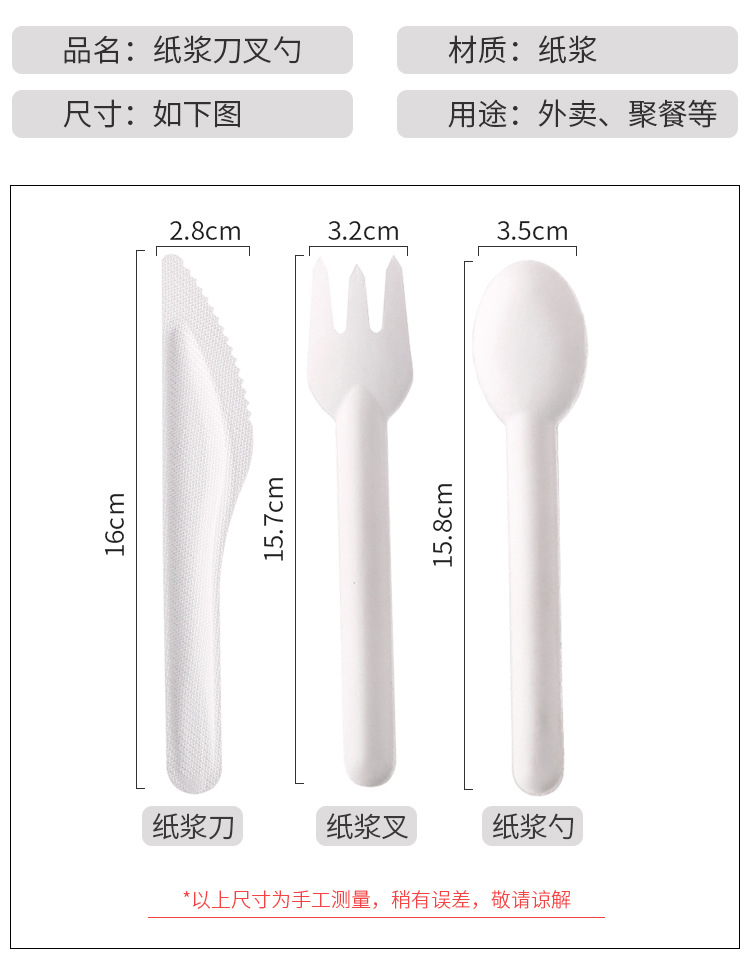
In today’s eco-conscious world, sustainable alternatives to everyday items are becoming increasingly important. One such innovation is the bagasse spoon—a biodegradable utensil made from sugarcane fiber. Unlike traditional plastic or metal spoons, bagasse spoons offer an environmentally friendly option for enjoying hot soups, stews, and broths. In this guide, we’ll explore how to use bagasse spoons for hot soups effectively, along with tips on handling, cleaning, and maximizing their eco-benefits.
What is a Bagasse Spoon?
A bagasse spoon is made from the fibrous residue left after extracting juice from sugarcane. This material is naturally compostable and biodegradable, making it an excellent alternative to disposable plastic utensils. Bagasse is strong enough to handle hot liquids without deforming or leaching harmful chemicals, making it ideal for serving and consuming soups, sauces, and other hot foods.
Bagasse spoons come in various sizes and shapes, from standard teaspoon sizes to larger soup spoons. They are lightweight, sturdy, and designed for single or multiple uses, depending on the quality and thickness of the spoon.
Benefits of Using Bagasse Spoons for Hot Soups
Using a bagasse spoon for hot soups provides several advantages:
- Eco-Friendly: Traditional plastic spoons take hundreds of years to decompose. Bagasse spoons, however, are biodegradable and compostable, leaving a minimal environmental footprint.
- Heat-Resistant: Unlike paper or thin plastic spoons, high-quality bagasse spoons can withstand hot liquids without melting or breaking.
- Non-Toxic: Bagasse spoons do not contain harmful chemicals or BPA, making them safe for both adults and children.
- Durable and Sturdy: Despite being lightweight, these spoons are strong enough to scoop thick soups or broths without bending.
- Disposable but Sustainable: They combine the convenience of disposable utensils with the responsibility of sustainability, perfect for restaurants, catering, or home use.
Choosing the Right Bagasse Spoon for Hot Soups
Selecting the correct bagasse spoon is essential to ensure a satisfying soup experience. Here are some factors to consider:
- Size: Opt for spoons that are slightly larger than typical teaspoons to accommodate hot soups comfortably.
- Thickness: Thicker spoons are more durable and resistant to heat. They also hold liquid better without dripping.
- Finish: Some bagasse spoons have a smooth finish that enhances the eating experience. Rough spoons may feel less comfortable on the lips.
- Single-use vs. Multi-use: Some premium bagasse spoons can be washed and reused a few times, while standard spoons are intended for one-time use.
How to Use Bagasse Spoons for Hot Soups
Using a bagasse spoon for hot soups is simple, but following a few tips can improve the experience and longevity of the spoon:
- Check the Spoon Quality: Before using, inspect the spoon for any cracks or uneven edges. High-quality bagasse spoons will be smooth and free from defects.
- Pre-Rinse (Optional): If you prefer, rinse the spoon briefly with warm water. This helps remove any dust from packaging and slightly softens the fibers for a smoother feel.
- Scoop Carefully: Bagasse spoons are sturdy, but aggressive scooping can cause bending if the soup is thick. Use a gentle scooping motion to enjoy hot soups fully.
- Avoid Prolonged Soaking: Unlike metal spoons, bagasse spoons are not meant to sit in hot liquid for extended periods. Use the spoon for eating immediately after serving.
- Dispose Responsibly: After use, bagasse spoons can be composted in a home compost bin or disposed of in biodegradable waste. They break down naturally in a matter of weeks under the right conditions.
Tips for Enhancing Your Soup Experience with Bagasse Spoons
- Pairing with Eco-Friendly Bowls: To maximize sustainability, use your bagasse spoon with compostable or biodegradable soup bowls.
- Serving Hot Soups: Serve soups at a temperature that is enjoyable but not excessively hot to prevent the spoon from softening too quickly.
- For Thick Soups: For creamy or chunky soups, select a thicker bagasse spoon to scoop easily without bending.
- Stirring Soups: Bagasse spoons can also be used to stir soups while cooking or serving. They are heat-resistant and won’t melt, making them a versatile utensil in the kitchen.
- Presentation: Bagasse spoons have a natural, rustic look. Pairing them with wooden trays, bamboo mats, or eco-friendly napkins enhances the overall dining experience.
Common Mistakes to Avoid
Even though bagasse spoons are sturdy and eco-friendly, some common mistakes can reduce their effectiveness:
- Using Too Thin Spoons for Hot Soups: Thin spoons may bend or lose shape when scooping hot or thick liquids.
- Leaving the Spoon in Hot Soup for Too Long: Extended exposure to heat can weaken the fibers, causing the spoon to soften.
- Microwaving: Bagasse spoons are generally microwave-safe for a short duration but avoid prolonged heating to maintain their integrity.
- Mixing with Non-Biodegradable Waste: To ensure environmental benefits, compost bagasse spoons instead of discarding them in regular trash.
Cleaning and Reuse
While most bagasse spoons are intended for single use, some higher-quality spoons can be reused with careful handling:
- Rinse Immediately: Wash the spoon with warm water and mild soap after use. Avoid scrubbing too hard to maintain the surface.
- Dry Thoroughly: Air-dry the spoon to prevent moisture from weakening the fibers.
- Reuse Limit: Even durable bagasse spoons should not be reused multiple times with hot liquids, as heat may reduce their strength over time.
Eco-Benefits of Switching to Bagasse Spoons
By using bagasse spoons for hot soups, you contribute to a more sustainable lifestyle in several ways:
- Reduces Plastic Waste: Each bagasse spoon replaces a plastic spoon, preventing non-biodegradable waste from entering landfills.
- Supports Renewable Resources: Bagasse is a byproduct of sugarcane, which is renewable and sustainably harvested.
- Composting Friendly: Bagasse spoons decompose naturally, enriching soil without releasing toxins.
- Lower Carbon Footprint: Producing bagasse spoons uses less energy compared to plastic, reducing greenhouse gas emissions.
Innovative Uses Beyond Soups
While perfect for hot soups, bagasse spoons are versatile and can be used for other culinary applications:
- Desserts: Scoop ice cream, puddings, or custards.
- Sauces and Gravies: Stir or serve thick sauces without melting.
- Camping: Use as lightweight, disposable utensils for outdoor cooking.
- Parties & Catering: Impress guests with eco-friendly cutlery that is both functional and stylish.
Conclusion
Switching to a bagasse spoon for hot soups is a simple yet impactful step toward sustainability. These biodegradable spoons combine practicality with eco-conscious design, making them perfect for everyday meals, catering, or outdoor dining. By understanding how to use, handle, and dispose of bagasse spoons properly, you can enjoy your soups guilt-free while reducing your environmental footprint.
Investing in bagasse spoons isn’t just about convenience—it’s about making a responsible choice for the planet. The next time you serve hot soup, opt for a bagasse spoon, and take pride in savoring your meal sustainably.