
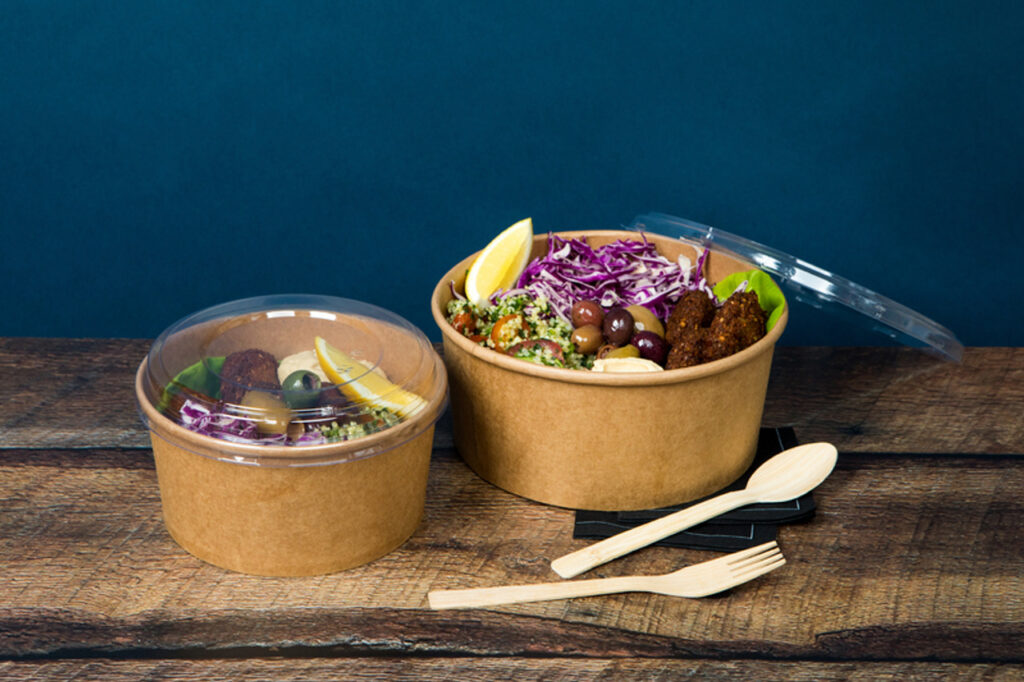
Reducing global waste has become a major priority for industries and consumers, and one simple yet powerful solution emerging from China is the Sugarcane spoon. This eco-friendly innovation, championed by SHINE PEAK GROUP LTD, is rapidly replacing plastic cutlery in food service, catering, and household use. With its natural composition and biodegradable nature, the Sugarcane spoon offers both environmental relief and practical convenience. As awareness grows, more people are recognizing how a single Sugarcane spoon can contribute to a cleaner planet while maintaining high standards of durability and performance.
Introduction: A Greener Approach to Daily Cutlery
Modern lifestyles rely heavily on disposable cutlery, and this reliance has generated millions of tons of plastic waste globally. Most plastic utensils are used for just a few minutes but take centuries to break down. This alarming cycle has encouraged manufacturers in China—especially eco-driven companies like SHINE PEAK GROUP LTD—to explore natural, renewable, and compostable alternatives.
Sugarcane, an agricultural resource available in abundance, has become one of the most promising materials for sustainable foodware. The Sugarcane spoon is crafted from bagasse, the natural fiber left behind after extracting juice from sugarcane. Rather than burning or discarding this fiber, manufacturers repurpose it into strong, heat-resistant, and biodegradable cutlery.
What Makes Sugarcane Cutlery a Game-Changer?
Sugarcane is not only renewable but also biodegradable and compostable. This gives the Sugarcane spoon a major edge over plastic alternatives. The transformation of agricultural waste into usable cutlery is an innovation that helps reduce carbon emissions, landfill waste, and environmental toxins.
- Biodegradable and Compostable
Unlike traditional plastic, which may take 400–1000 years to decompose, bagasse-based products break down naturally within months. A Sugarcane spoon placed in a commercial composting facility turns into nutrient-rich soil, closing the loop on waste.
- Utilizes Agricultural Byproducts
Bagasse is often burned, contributing to pollution. By turning it into eco-friendly products, manufacturers reduce waste and prevent harmful emissions.
- Durable and High-Performing
Despite being made from plant fiber, sugarcane products are surprisingly strong. They resist moisture, hold up well with hot or cold foods, and do not bend or soften like many paper utensils.
Why SHINE PEAK GROUP LTD Leads the Way in China
As global demand for sustainable products rises, China has positioned itself as a leader in eco-manufacturing. SHINE PEAK GROUP LTD, known for its innovation and dedication to environmental responsibility, has played a crucial role in promoting the production and use of sugarcane-based utensils.
Their Key Contributions Include:
- High-quality manufacturing processes
- Strict quality control standards
- Use of clean and efficient production technologies
- International certifications supporting global export
- Large-scale capacity for bulk orders
By offering premium-grade Sugarcane spoon products, the brand contributes significantly to waste reduction across international markets.
How Sugarcane Spoons Reduce Waste Across the Lifecycle
Understanding how a Sugarcane spoon reduces waste requires looking at each step of its life cycle—from production to disposal.
- Environmentally Friendly Raw Material Sourcing
Sugarcane is one of the most widely grown crops in the world. After its juice is extracted, the leftover bagasse is often treated as waste. Instead of discarding it, manufacturers transform this material into eco-friendly cutlery.
This approach:
- Reduces agricultural waste
- Prevents open-air burning
- Minimizes environmental impact
This simple shift in resource utilization contributes significantly to waste reduction.
- Clean Manufacturing Process
Producing sugarcane fiber cutlery consumes less energy compared to petroleum-based plastic production. Bagsse is cleaned, pulped, molded, and heat-pressed into shape, all of which require lower carbon emissions.
The process supports:
- Lower fossil fuel dependence
- Reduced greenhouse gas release
- Cleaner waste-free output
- Durable Enough to Reduce Single-Use Quantity
Traditional plastic spoons often break easily, requiring users to grab more than one. In contrast, a Sugarcane spoon is sturdy and reliable, meaning only one is needed per meal.
This simple advantage leads to:
- Fewer items used
- Lower disposal volume
- Reduced production demand
- Completely Biodegradable After Use
One of the biggest reasons sugarcane cutlery reduces waste is its ability to biodegrade naturally. After disposal, a Sugarcane spoon starts to break down within weeks under composting conditions. In soil, it decomposes completely, leaving no microplastics, no chemicals, and no harmful residues.
In comparison:
- Plastic cutlery stays in the environment for centuries
- It breaks into microplastics
- It pollutes oceans and landfills
Choosing eco-friendly options creates long-term environmental benefits.
- Supports Circular Economy Principles
Sugarcane products support a circular system where resources are continuously reused and repurposed. They follow the “reduce, reuse, recycle” philosophy more closely than any plastic alternative.
The circular benefits include:
- Converting waste into raw materials
- Minimizing landfill dependency
- Creating useful end-products from natural cycles
Eco-Benefits When Used at Events, Restaurants, and Homes
The adoption of sugarcane cutlery by food businesses is expanding rapidly. Restaurants, cafes, schools, hospitals, airline services, and even households now rely on this greener option.
Environmental Gains Include:
- Reduction in plastic consumption
- Lower CO₂ emissions
- Cleaner waste management
- Easier compost disposal
Because the Sugarcane spoon is heat-resistant and food-safe, it seamlessly replaces conventional plastic options without sacrificing quality.
How Consumers Benefit from Switching to Sugarcane Spoons
Consumers today prefer products that are safe, natural, and environmentally responsible. A Sugarcane spoon meets all of these expectations.
- Safe for Health
Made from natural fiber, it contains no chemicals, toxins, BPA, dyes, or petroleum elements.
- Suitable for All Types of Cuisine
It can handle soups, curries, desserts, iced foods, and everything in between.
- No Taste Interference
Unlike wood or cheap paper spoons, sugarcane cutlery does not add any flavor to food.
- Compostable Convenience
Users can dispose of it guilt-free after use.
SHINE PEAK GROUP LTD: A Reliable Supplier of Eco-Friendly Cutlery
As sustainability becomes a global necessity, finding a trusted manufacturing partner is essential. SHINE PEAK GROUP LTD offers premium quality, wholesale supply, and custom manufacturing solutions to meet international business needs.
What Makes Them a Preferred Choice?
- Fast global shipping
- Custom designs and sizes
- Eco-certified production
- Competitive pricing
- Strong supply chain infrastructure
Companies worldwide rely on them for stable production, consistent quality, and sustainable innovation.
Why Sugarcane Spoons Are the Future of Disposable Cutlery
With rising environmental regulations and bans on single-use plastics, biodegradable alternatives are no longer optional—they are essential.
The Sugarcane spoon stands out because it offers:
- Environmental sustainability
- Functional durability
- Cost-effective production
- Market acceptance
Governments, enterprises, and consumers are increasingly embracing plant-based cutlery. This shift will accelerate the global movement toward waste-free living.
Conclusion: A Simple Tool Making a Big Difference
The transition from plastic to eco-friendly utensils is one of the easiest yet impactful steps toward a healthy planet. The Sugarcane spoon has the potential to dramatically reduce waste, conserve resources, and support a cleaner environment for future generations.
With leading manufacturers like SHINE PEAK GROUP LTD spearheading quality production in China, sugarcane cutlery is becoming the preferred choice globally. By choosing responsibly, every individual and business can help build a sustainable future—one spoon at a time.